Rosehip Oil: What It Does and What It Doesn't
Rosehip oil has a reputation that outpaces its evidence — but not by as much as you might expect. Here's what the research actually supports, where the gaps are, and how to use it well.
Read articleWe use Google Analytics to see which articles get read. You can accept or decline analytics cookies. See our Privacy Policy.
Ceramides, lipids and barrier repair: the layer everything else depends on.
33 articles
Rosehip oil has a reputation that outpaces its evidence — but not by as much as you might expect. Here's what the research actually supports, where the gaps are, and how to use it well.
Read article
Glycerin appears in more skincare products than almost any other ingredient, yet it rarely gets its own moment. That's partly because it's cheap, unsexy, and difficult to build a marketing campaign around — but it's also one of the most reliably useful things you can put on your skin.
Read article
Double cleansing has become a non-negotiable step in some routines — but the science behind it is simpler than the discourse suggests, and not everyone needs it.
Read article
New active making you break out? It might be purging — or it might be a reaction. The difference matters, because one means the product is working and the other means it needs to go.
Read article
Hyaluronic acid is the skincare industry's favourite humectant — but the gap between what it does on a lab bench and what it does on your face is wider than the marketing suggests.
Read article
'Sensitive skin' isn't one condition — it can be irritant reaction, allergy, nerve sensitivity or a damaged barrier amplifying everything at once. Working out which is the first step to finding what you can actually tolerate.
Read article
"Sensitive skin" gets used for two different situations that need opposite approaches — a lifelong trait you manage forever, and a temporary reaction you can actually resolve. Confusing the two means either giving up on products unnecessarily or under-treating something genuinely chronic.
Read article
"Dry skin" gets used as a catch-all for anything that doesn't feel moisturised enough, but dry and dehydrated are different problems with different fixes. Treating one as the other is a common reason routines stop working.
Read article
There's a real, physical logic to layering order — but most of the 'never combine these' rules floating around skincare content are stricter than the evidence actually requires.
Read article
Skin isn't a fixed system reacting the same way in July and January — but the seasonal-routine advice online often overstates how much actually needs to change.
Read article
"Triple ceramide," "bio-identical ceramides," "ceramide complex" — the marketing has run well ahead of most people's understanding of what these ingredients actually do. The underlying science is solid; the labels often aren't.
Read article
Skincare marketing rewards complexity, but the evidence for most benefit sits in three products, done consistently — everything past that is optional, not essential.
Read article
Acne isn't one condition — it's a category. A blackhead, a papule and a cyst share a starting mechanism but need genuinely different treatment, and matching the wrong intensity to the wrong type is where most routines go wrong.
Read article
Oily skin, shiny T-zones, clogged pores — sebum gets blamed for all of it. But it's also doing genuine protective work, and the products that fight it hardest often make oiliness worse, not better.
Read article
Oil and water don't want to mix — every cream and lotion on your shelf is a small, ongoing chemistry experiment forcing them to. Knowing which type you're using explains a lot about how a product feels, absorbs and layers.
Read article
Panthenol never trends, never headlines a product, and has genuinely good evidence behind it anyway — it just doesn't produce the kind of before-and-after that sells a serum.
Read article
Centella asiatica shows up on nearly every 'soothing' product label, but the ingredient list rarely says which of its active compounds are actually present — and that's the detail that decides whether a centella product does much at all.
Read article
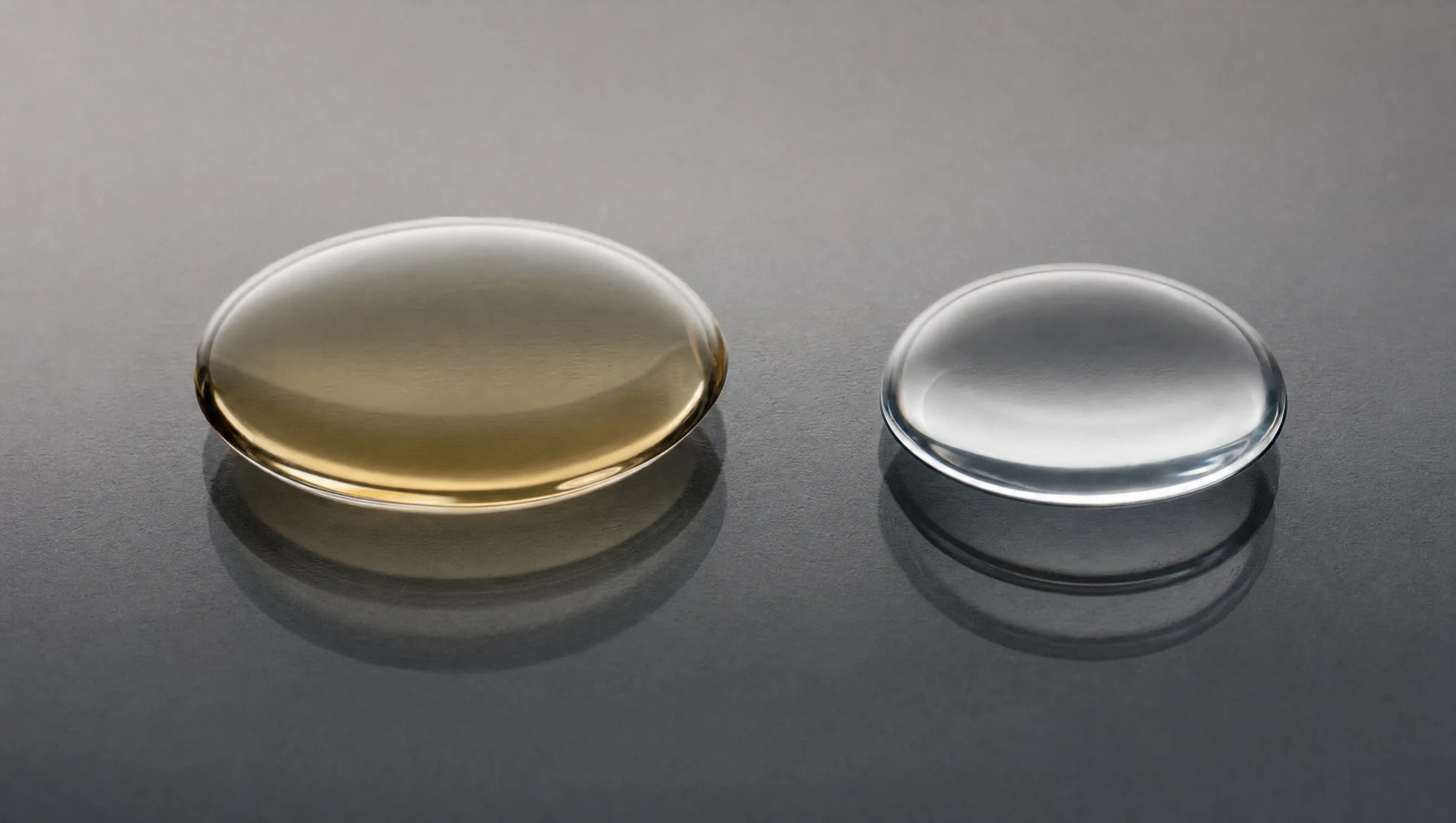
Squalane has become a skincare staple — a go-to oil for those who don't like oils, a moisturising ingredient that seems to work for everyone.
Read article

Every acne product with salicylic acid uses the same tagline about unclogging pores. That's true, but it undersells an ingredient that's also anti-inflammatory, mildly antibacterial, and one of the few actives that can actually get inside a pore rather than just working the surface.
Read article
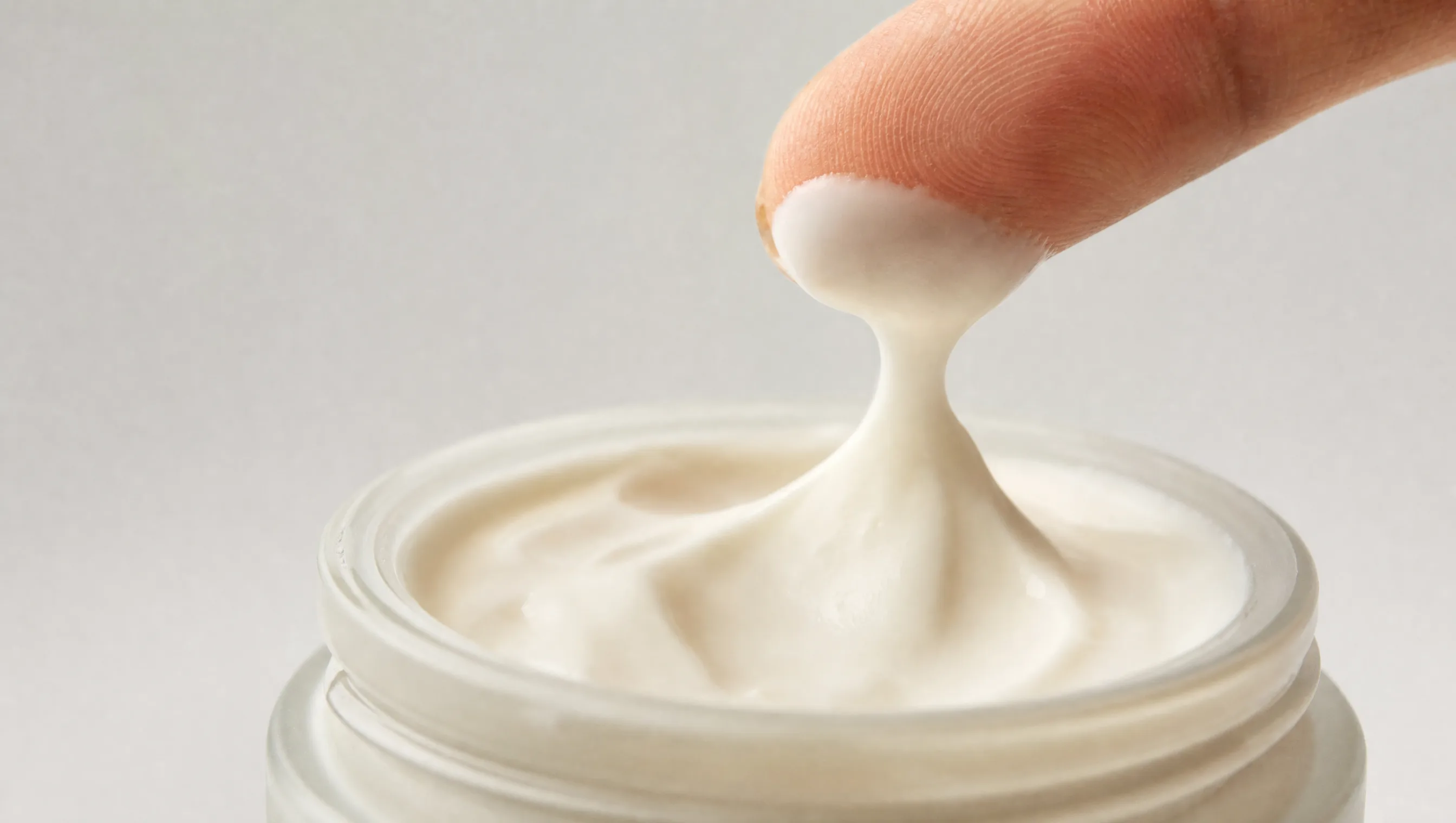
Niacinamide (vitamin B3) has become a skincare darling — appearing in everything from serums to sunscreens, praised as a solution for nearly every skin concern.
Read article

Most skincare advice assumes a barrier that works. Eczema-prone skin doesn't have one, which means the usual playbook — layer actives, try new things, optimise your routine — can actively make things worse.
Read article

Stacking retinol, acids and everything else at once tends to end the same way — a barrier that can't tolerate any of them. Recovery is slower than the damage, and rushing it is how people end up back here.
Read article
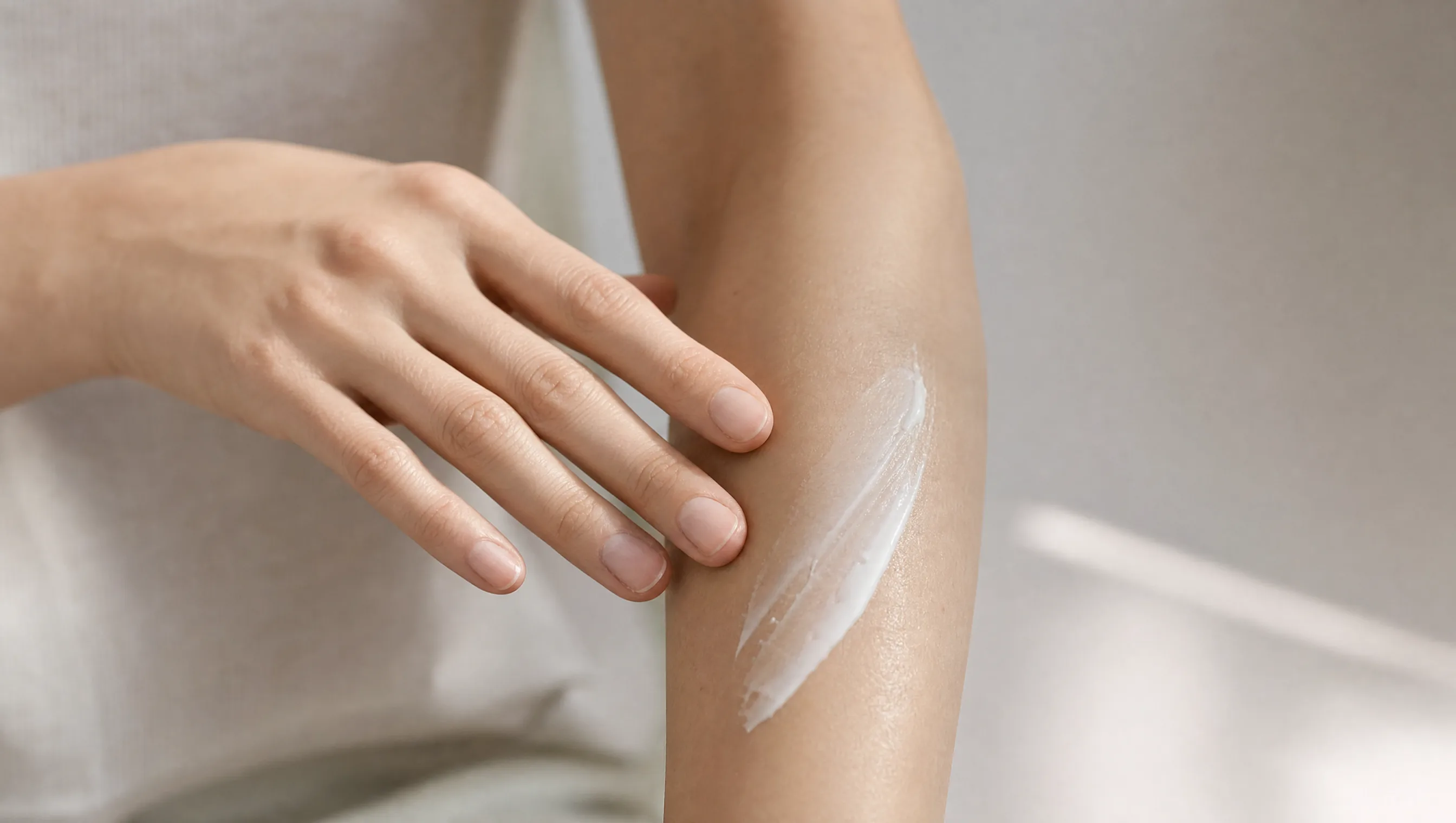
Slugging isn't the miracle TikTok made it out to be, and it isn't the pore-clogging disaster its critics warn about either — it's ordinary occlusion, with genuine upsides for some skin and real downsides for others.
Read article
'Microbiome-friendly' has no regulatory definition, and most products trading on the word are capitalising on genuine scientific interest rather than delivering proven microbiome benefits. Here's what the research actually supports.
Read article
A serum, a cream and an oil containing the same active aren't the same product wearing different textures — they deliver different amounts, to different depths, on different timelines. The format is doing more work than the ingredient list lets on.
Read article
'Apply thin to thick' is the standard layering advice, but it's really a proxy for something more specific: which ingredients dissolve in water and which dissolve in oil. Understanding solubility explains why routines pill, why some products don't absorb, and how to fix both.
Read article
A nicotine patch and a moisturiser both sit on skin, but one is engineered to reach your bloodstream and the other was never meant to. That distinction is why 'deep penetration' skincare claims almost never mean what the marketing implies.
Read article
Over-exfoliation causes the same symptoms it's supposed to fix — oiliness, texture, breakouts — which pushes people to exfoliate harder. Here's how the feedback trap works and what appropriate exfoliation actually looks like.
Read article
Every moisturiser claims to "restore" or "strengthen" the barrier. Barrier repair is actually one of the few skincare claims with genuinely clear evidence behind it — but the evidence points to a specific combination, not a vague botanical blend.
Read article
Stinging products, sudden dryness, a rough texture and shiny-but-tight skin are all barrier distress signals — not signs you need to exfoliate harder. Here's how to spot the pattern and what it means for your routine.
Read article
One number quietly decides whether an ingredient can physically reach your skin at all. Here's what the 500 Dalton rule actually means for hyaluronic acid, collagen, peptides, and every 'deep penetration' claim on the shelf.
Read article
Skin is built to keep things out, so how can a serum change anything? The answer is that skin is selective, not sealed — and a handful of physical rules decide what gets through.
Read article
Antioxidants get pitched as a redness cure-all, but the evidence for calming inflamed, reactive skin is real for only a handful of them — and even then, it's supporting evidence, not a treatment.
Read article