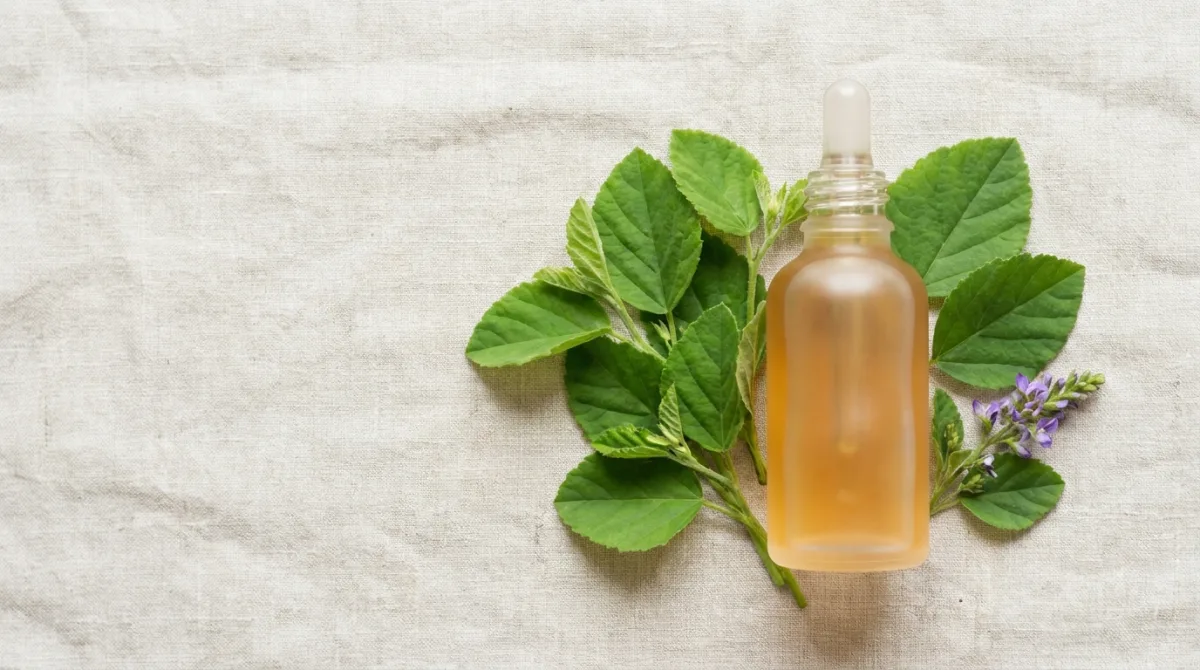
Rosehip Oil: What It Does and What It Doesn't
Rosehip oil has a reputation that outpaces its evidence — but not by as much as you might expect. Here's what the research actually supports, where the gaps are, and how to use it well.
Read articleWe use Google Analytics to see which articles get read. You can accept or decline analytics cookies. See our Privacy Policy.
Collagen, peptides and retinoids: what the ageing-skin research supports, and where the marketing runs ahead of it.
10 articles
Rosehip oil has a reputation that outpaces its evidence — but not by as much as you might expect. Here's what the research actually supports, where the gaps are, and how to use it well.
Read article
Caffeine is the star ingredient in most eye creams, promising to banish dark circles and puffiness overnight. The reality is more nuanced — it does something genuine, but not quite what the packaging suggests.
Read article
Snail mucin has gone from niche K-beauty curiosity to mainstream bestseller. The ingredient list is genuinely interesting — but the gap between what's in the filtrate and what reaches your skin is wider than the product pages suggest.
Read article
Polynucleotides are the injectable everyone suddenly wants — and the ingredient serum brands are rushing to bottle. The two are not the same thing, and only one of them has much evidence behind it.
Read article
Hyaluronic acid is the skincare industry's favourite humectant — but the gap between what it does on a lab bench and what it does on your face is wider than the marketing suggests.
Read article
Bakuchiol is marketed as a gentler, plant-derived stand-in for retinol. The headline study behind that claim is smaller and more caveated than the marketing suggests — here's what the evidence actually supports.
Read article
Peptides get sold as everything from 'Botox in a bottle' to a collagen cure-all. They're a broad category, not one ingredient — and what they can actually do depends entirely on which peptide you mean.
Read article
Growth factor serums can cost hundreds of pounds on the promise of cellular regeneration. They're not peptides — they're much larger proteins facing much bigger delivery problems, and the evidence hasn't caught up with the price tag.
Read article
Of all the peptides sold on anti-ageing claims, copper peptides (GHK-Cu) have the strongest research behind them — genuine wound-healing evidence, and cosmetic trial data that's real but more modest than the marketing suggests.
Read article
Copper peptides and Matrixyl have genuine clinical evidence behind them. 'Topical Botox' peptides mostly don't. Here's a category-by-category audit of what the research actually supports, and why in vitro results can't be trusted at face value.
Read article