Sensitive vs Sensitised Skin: Understanding the Difference
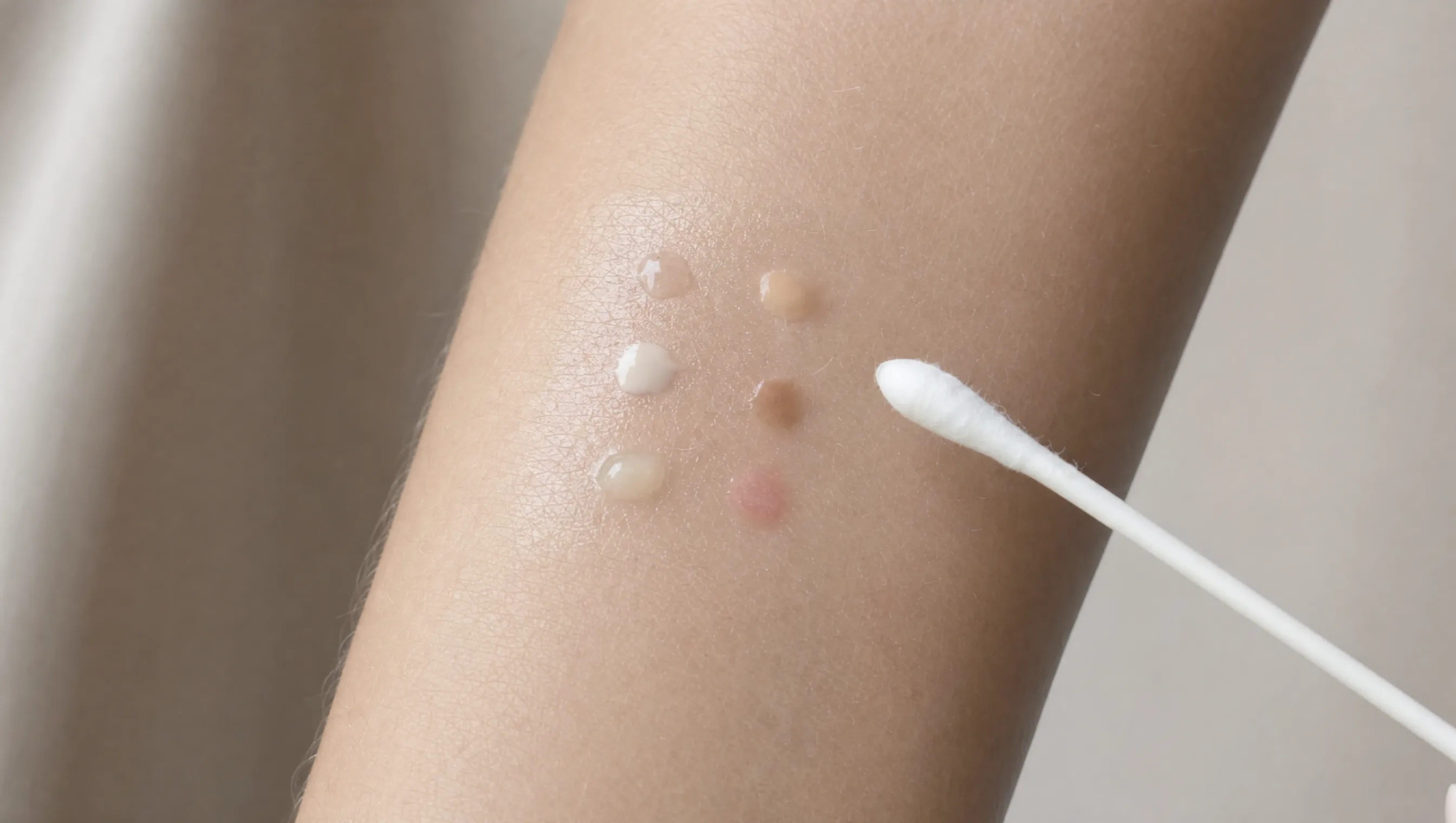
"Sensitive skin" has become a catch-all term, but it encompasses two distinct situations: genuinely sensitive skin (an inherent trait) and sensitised skin (a…
Tag
12 articles
"Sensitive skin" has become a catch-all term, but it encompasses two distinct situations: genuinely sensitive skin (an inherent trait) and sensitised skin (a…
Bakuchiol has gained significant attention as a "natural retinol alternative" — a plant-derived ingredient claiming to deliver retinoid-like benefits without the…
More isn't always better. A ten-step routine might work for some people, but for most, simpler is more sustainable, less irritating, and just as effective.
Some ingredients demand attention — retinoids, vitamin C, acids. Others quietly appear in formulations everywhere, doing their job without headlines.
Centella asiatica — also known as Gotu Kola, tiger grass, or cica — has become a staple in soothing skincare.
Alpha-hydroxy acids (AHAs) are among the most effective exfoliating ingredients available, but they're not interchangeable.
Salicylic acid is ubiquitous in acne products, usually with the tagline about unclogging pores.
Tranexamic acid has moved from operating theatres to skincare shelves, bringing with it genuine promise for treating pigmentation.
Vitamin C is one of the most researched skincare ingredients — and one of the most confusing.
Not all retinoids are created equal. The term covers a family of vitamin A derivatives with vastly different potencies, evidence bases, and effects on skin.
You wouldn't drink milk a month past its expiry date. Yet many people use skincare products months or years after they've degraded, assuming they're still…
Every skincare ingredient exists in a chemical environment, and that environment's acidity — its pH — can determine whether an active ingredient works brilliantly…