5 min read
Sebum: Friend or Foe?
Oily skin, shiny T-zones, clogged pores — sebum gets blamed for all of it. But it's also doing genuine protective work, and the products that fight it hardest often make oiliness worse, not better.
Read articleWe use Google Analytics to see which articles get read. You can accept or decline analytics cookies. See our Privacy Policy.
59 evidence-led explainers on skincare ingredients, formulation and routines — newest first · page 3 of 5.
Oily skin, shiny T-zones, clogged pores — sebum gets blamed for all of it. But it's also doing genuine protective work, and the products that fight it hardest often make oiliness worse, not better.
Read article
Oil and water don't want to mix — every cream and lotion on your shelf is a small, ongoing chemistry experiment forcing them to. Knowing which type you're using explains a lot about how a product feels, absorbs and layers.
Read article
Panthenol never trends, never headlines a product, and has genuinely good evidence behind it anyway — it just doesn't produce the kind of before-and-after that sells a serum.
Read article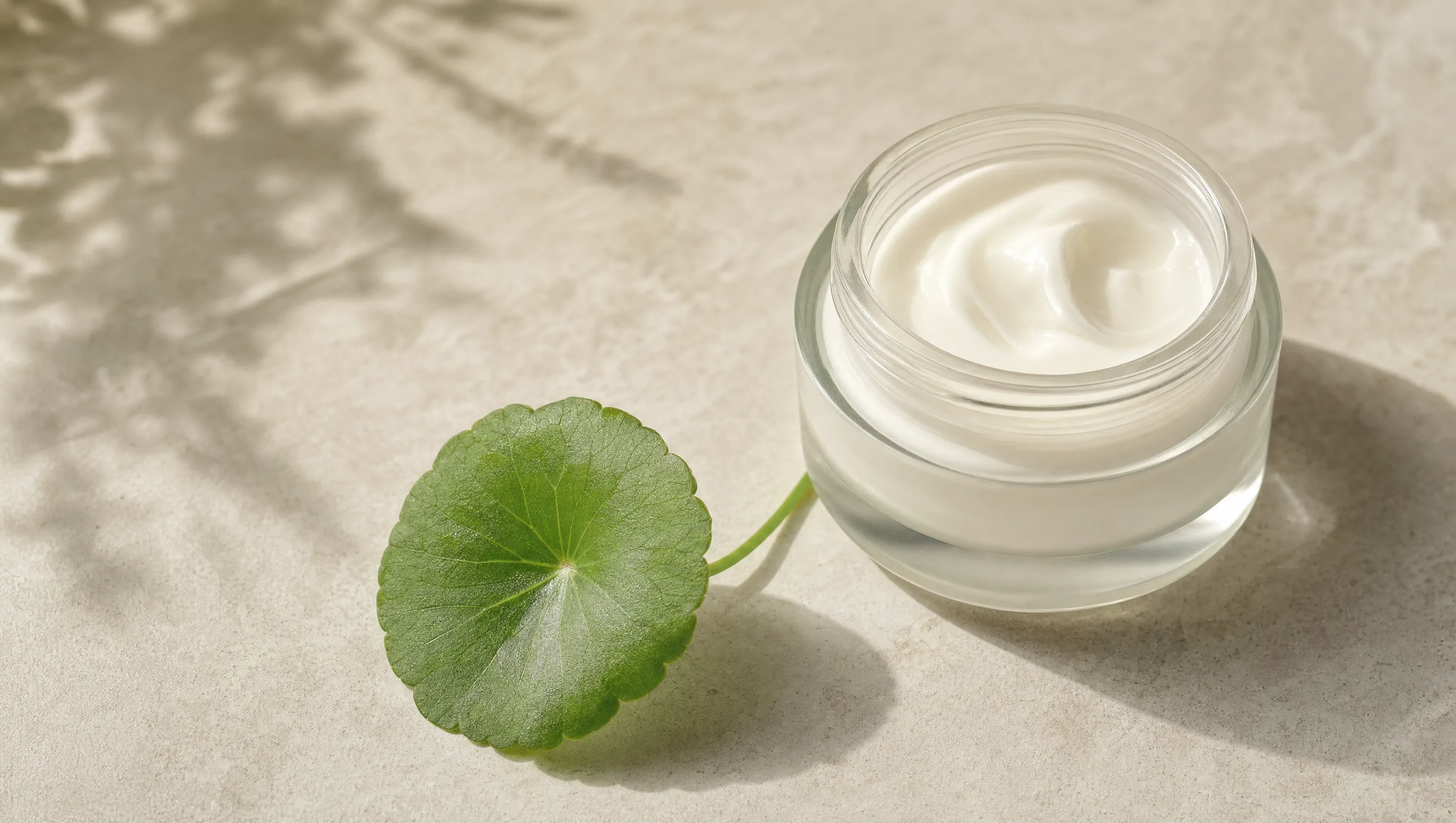
Centella asiatica shows up on nearly every 'soothing' product label, but the ingredient list rarely says which of its active compounds are actually present — and that's the detail that decides whether a centella product does much at all.
Read article
Squalane has become a skincare staple — a go-to oil for those who don't like oils, a moisturising ingredient that seems to work for everyone.
Read article
Alpha-hydroxy acids get sold as one category, but glycolic, lactic and mandelic acid behave differently enough that picking the wrong one is a common reason an acid "doesn't work" — or works too well, too fast, in the wrong direction.
Read article
Every acne product with salicylic acid uses the same tagline about unclogging pores. That's true, but it undersells an ingredient that's also anti-inflammatory, mildly antibacterial, and one of the few actives that can actually get inside a pore rather than just working the surface.
Read article
Tranexamic acid moved from operating theatres to skincare shelves on the back of a genuinely interesting discovery — but the strongest evidence is for the oral, prescription version, and the topical version people are actually buying is thinner and newer than the marketing implies.
Read article
Retinoids and vitamin C get the headlines. Azelaic acid quietly does three jobs at once — acne, rosacea and pigmentation — with a gentler side-effect profile than most of the ingredients that outrank it in popularity.
Read article
Niacinamide (vitamin B3) has become a skincare darling — appearing in everything from serums to sunscreens, praised as a solution for nearly every skin concern.
Read article
"Preservative-free" is marketed as inherently safer, but a water-based product with no preservation is often the riskier bottle on the shelf. The chemistry says otherwise.
Read article
Skincare marketing cites "studies" constantly. Most of those studies would fail basic scrutiny — here's what to actually check before a claim earns your trust.
Read article